

Artwork courtesy: gurvinder
Sleep tips resemble diet tips or showcasing tips: unlimited. We can generally continue discovering more, yet eventually, we understand that we needn’t bother with additional, we need the essentials and above all else we have to make a move on those nuts and bolts.
Nighttime steps to help you get better sleep
1. Adhere to a rest schedule

A similar sleep time and wake up time, even on the ends of the week can be your first step in the process.. This assists with directing your body’s clock and could assist you with nodding off and stay unconscious for the evening. Going hand in hand with making sleep a priority is creating a routine. Creating a sleep routine is definitely one of the 20% of strategies that will get you 80% of results. The best part? It’s free and takes maybe five minutes to setup. You might even be done in two minutes or less.
2. Avoid alcohol, cigarettes, and heavy meals

Eating enormous or zesty dinners can cause inconvenience from acid reflux that can make it difficult to rest. On the off chance that you can, abstain from eating enormous dinners for a few hours before sleep time. As per the discoveries, liquor allows solid individuals to nod off snappier and rest all the more profoundly for some time, however it decreases Rapid Eye Movement(REM). What’s more, the more you drink before bed, the more articulated these impacts. REM rest occurs around an hour and a half after we nod off.
3. Green tea

Green tea may provide an array of health benefits, including better sleep. It’s a well-known fact that we should all be getting around 8 hours of sleep per night in order to remain healthy, but for some of us, this seems like an impossible task. However, sipping green tea before bed could help you if you’re suffering from sleep-related problems like insomnia. It helps you relax and reduces anxiety, which will be a huge benefit if you struggle to find sleep each night. It will improve the quality of your sleep, too – without leaving you feeling lethargic and sleepy like other natural and synthetic sleep supplements.
4. Aerobic exercise

Exercise can causes the body to release endorphins. These chemicals can create a level of activity in the brain that keeps some people awake. Recent research indicates that exercise decreases sleep complaints and insomnia in patients. The effects of aerobic exercise on sleep appear to be similar to those of sleeping pills. However, more research is needed to compare physical exercise to medical treatments for insomnia.
5. Create a room that’s ideal for sleeping.
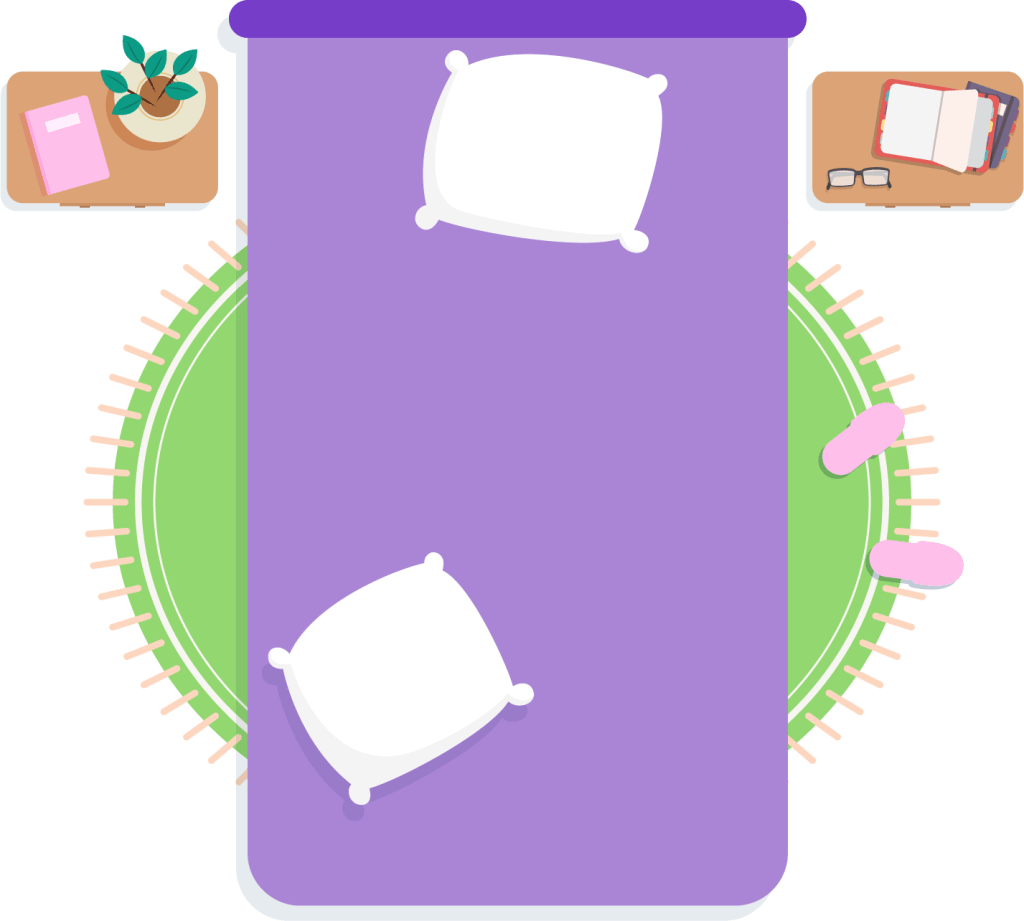
Often, this means cool, dark and quiet. Exposure to light might make it more challenging to fall asleep. Avoid prolonged use of light-emitting screens just before bedtime. Consider using room-darkening shades, earplugs, a fan or other devices to create an environment that suits your needs. Doing calming activities before bedtime, such as taking a bath or using relaxation techniques, might promote better sleep.
6. Manage your worries.

Try to resolve your worries or concerns before bedtime. Jot down what’s on your mind and then set it aside for tomorrow.Stress management might help. Start with the basics, such as getting organised, setting priorities and delegating tasks. Meditation also can ease anxiety.
Other things that might interest you:
 Design Your Mind.